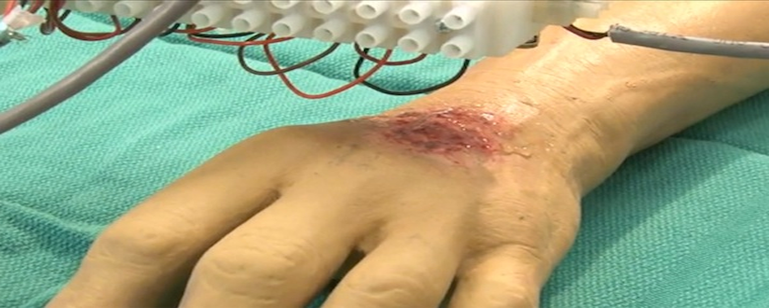
‘Living Bandage’ Bioprinter Set to Save Lives
3D printers have used a marvelous, candy-shop array of printable materials in the last few months: chocolate, pasta, sugar and even pizza. The latest mouth-watering addition to the list is… living bandages?
Okay, so decidedly less delicious than the others, but with much greater real world potential. 3D printing is already revolutionising the medical field by making 3D replicas of patient’s organs to plan surgeries, and fully 3D printed organs are on their way. Both cool ideas, but how about Spray-on skin?
Developed by four engineering students from the University of Toronto, the PrintAlive Bioprinter recently won first place in the national 2014 James Dyson awards that rewards innovative and problem-solving inventions.
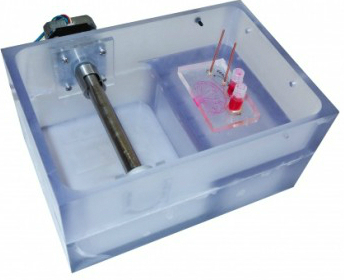 About the size of a microwave, this fridge tray with an axle is actually a revolutionary development in the treatment of serious burns. Although a few years away from being worthy of human trials, the device intends to print artificial skin grafts made from the patient’s own cells.
Traditional skin grafts involve removing a healthy area of skin from the patient, typically from the buttock or inner thigh, and transplanting it onto the burnt or damaged area. Skin can also be grown in the lab, but this can take a couple of weeks.
The Canadian students have found a workaround to the serious issues of time restrictions and glueing a bit of your bum to your face by creating a gel that even includes hair follicles and sweat glands for grafting on-demand. The hydrogel is made of biopolymers, human keratinocytes (a type of skin cell) and fibroblasts (cell structures that aid wound healing), and as the machine uses donor cells from the patient, the printer “would completely eliminate immunologic rejection, and the need for painful autografting and tissue donation”, says co-creator Arianna McAllister.
The advantage of this gel is that, unlike other skin grafting bioprinters in development, it is not trying to replicate a layer of human skin, which is made of vastly complex sheets of different types of cells. Instead, the hydrogel works as a “living bandage” that mimics the upper layers of a patient’s skin.
To find out more on how 3D printing could affect your life and to get involved in one of world’s most creative communities check out MakerClub.org and sign up to find out about our IndieGoGo campaign launching later this October.
Share with your friends



Leave a Reply